Thyroid Health: Signs You Should Pay Attention To
Thyroid health plays an important role in maintaining energy levels, metabolism, body temperature, and overall well-being. At Liverpool Medical Clinic, patients can seek medical guidance when they notice symptoms that may indicate a thyroid problem. If you experience unexplained weight changes, constant tiredness, or mood changes, you may need Thyroid treatment in Bur Dubai to identify the underlying cause. If you know the early warning signs, you can receive an appropriate diagnosis and treatment before symptoms affect your daily life.
What Is the Thyroid Gland and Why Is It Important?
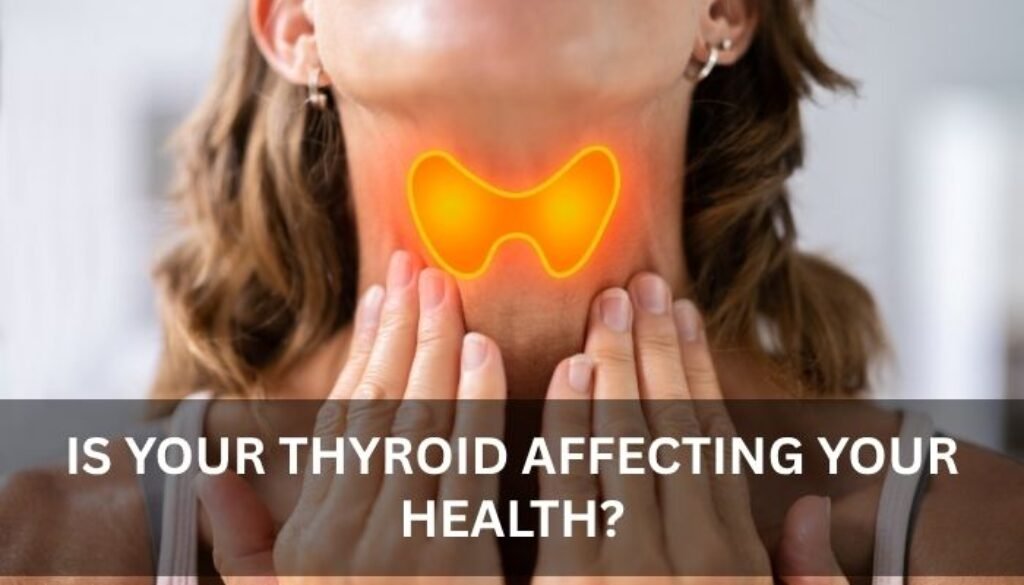
The thyroid is a small, butterfly-shaped gland at the front of the neck. Although it is small, it produces hormones that regulate several essential body functions, including metabolism, heart rate, digestion, and body temperature.
When the thyroid produces too much or too little hormone, these functions can change. As a result you may experience symptoms that seem unrelated. For example, persistent fatigue, sudden weight changes, and difficulty concentrating may sometimes indicate a thyroid condition.
Therefore, understanding how the thyroid works can help you recognise when to seek medical advice.
Thyroid Health: Signs You Should Pay Attention To
Thyroid disorders can develop gradually, making their symptoms easy to overlook. However, noticing changes in your body can help you seek medical support in time.
1. Unexplained Weight Changes Linked to Thyroid Problems
Unexpected weight changes are a common sign of thyroid dysfunction. Hypothyroidism is an underactive thyroid which can slow metabolism and contribute to weight gain. In contrast an overactive thyroid, called hyperthyroidism may increase metabolism and lead to unintentional weight loss.
Although diet, physical activity, and other health conditions also affect weight persistent unexplained changes deserve attention. A medical assessment can help identify the possible cause.
2. Constant Tiredness and Low Energy: Thyroid Symptoms
Feeling tired after a busy day is normal. However, ongoing fatigue despite getting enough sleep may indicate an underlying health issue.
People with hypothyroidism often experience tiredness, weakness, and reduced energy throughout the day. Meanwhile, an overactive thyroid may interfere with sleep and leave you feeling exhausted.
If fatigue begins to affect your work, concentration or everyday activities, consider consulting a healthcare professional.
3. Changes in Heart Rate Due to Thyroid Disorders
Thyroid hormones influence how quickly the heart beats. As a result, thyroid problems may cause noticeable changes in heart rate.
An overactive thyroid can cause rapid heartbeat, palpitations, or a feeling that your heart is racing. On the other hand, an underactive thyroid may contribute to a slower heart rate.
Do not ignore persistent palpitations or unusual changes in your heartbeat. Seek medical advice, and obtain urgent care if you experience chest pain, fainting, or severe difficulty breathing.
4. Hair Loss and Skin Changes Caused by Thyroid Problems
Changes in hair and skin can also occur when thyroid hormone levels become abnormal. You may notice more hair shedding, thinning, dry skin or brittle nails.
Some people also experience rough skin or changes in hair texture. These symptoms can also result from nutritional deficiencies, stress or other medical conditions. A proper assessment helps determine whether the thyroid is responsible.
5. Hair Loss and Skin Changes Caused by Thyroid Problems
Thyroid hormones can affect mental well-being and cognitive function. For instance, hypothyroidism may contribute to low mood, reduced concentration or a feeling of mental sluggishness.
Conversely hyperthyroidism may cause anxiety, irritability, restlessness, or difficulty sleeping. Because these symptoms can have many causes, don’t assume they automatically indicate a thyroid disorder.
A healthcare professional can look at your symptoms and recommend the right investigations.
Thyroid Treatment Bur Dubai: Understanding Common Thyroid Disorders

Seeking Thyroid treatment in Bur Dubai begins with understanding which thyroid condition may be causing your symptoms. Two common disorders are hypothyroidism and hyperthyroidism.
Hypothyroidism – An Underactive Thyroid Gland
Hypothyroidism means your thyroid gland isn’t making enough hormones. Common symptoms include:
- Persistent fatigue and weakness
- Unexplained weight gain
- Sensitivity to cold temperatures
- Constipation
- Dry skin and hair thinning
- Low mood and difficulty concentrating
When appropriate, doctors may prescribe thyroid hormone replacement medication regular blood tests help monitor hormone levels and guide treatment adjustments.
Hyperthyroidism: An Overactive Thyroid
Hyperthyroidism is when your thyroid gland makes too much hormone. Possible symptoms include:
- Accidental weight loss
- Rapid heartbeat or palpitations
- Excessive sweating
- Increased sensitivity to heat
- Shaking hands
- Nervousness and sleep disturbances
The cause and treatment will depend upon the how serious the problem is. Options may include medication, radioactive iodine therapy or surgery in selected cases. A doctor can explain the most suitable approach after evaluating your health.
When to Seek Thyroid Treatment Near You
Searching for Thyroid treatment near you may be a useful first step when symptoms persist or begin affecting your daily routine. However, choosing a healthcare provider should involve more than convenience.
Consider arranging a medical consultation if you notice unexplained weight changes, ongoing fatigue, persistent mood changes, irregular menstrual periods, or swelling at the front of your neck.
You should also seek medical advice if you have a family history of thyroid disease or other factors that may increase your risk. Your doctor can review your symptoms, medical history, and individual needs before recommending tests.
Early evaluation can help identify thyroid problems and decrease the risk of complications related to untreated hormone imbalances.
Thyroid Diagnosis and Tests for Accurate Treatment
An accurate diagnosis is essential for choosing the right treatment. During your appointment, a healthcare professional may ask about your symptoms, family history, medications, and general health.
The doctor may examine your neck to check for thyroid enlargement or other noticeable changes. Blood tests are commonly used to check thyroid function.
These tests may include:
- TSH test: Measures thyroid-stimulating hormone and often serves as the initial thyroid function test.
- Free T4 test: Measures the amount of free thyroxine in the blood.
- T3 test: May help evaluate suspected hyperthyroidism in certain situations.
- Thyroid antibody tests: May help identify autoimmune thyroid conditions when indicated.
Depending on the findings, your doctor may recommend additional investigations such as a thyroid ultrasound. Not everyone needs every test, so your healthcare professional will decide which investigations are appropriate.
Managing Thyroid Health Alongside Medical Treatment

Medical treatment is important when a thyroid disorder is diagnosed. In addition, healthy daily habits can support your overall well-being.
Eat a variety of different healthy foods: vegetables, fruits, whole grains, protein sources, and appropriate amounts of essential nutrients. Avoid taking iodine supplements or high-dose nutritional products without medical advice, as excessive iodine can worsen certain thyroid conditions.
Furthermore aim for regular physical activity, sufficient sleep and effective stress management. If you take thyroid medication follow your doctor’s instructions and attend recommended follow-up appointments.
Remember that lifestyle changes cannot replace prescribed treatment. Instead, they should complement your individual care plan.
Finding the Right Thyroid Care in Bur Dubai
Thyroid problems can impact many areas of your health, including energy levels and body weight to mood and heart function. Fortunately, recognising symptoms early and obtaining an appropriate medical assessment can help you manage these conditions effectively.
If you notice persistent symptoms, consider seeking thyroid treatment in Bur Dubai to identify the cause and discuss appropriate options. Similarly if you are searching for Thyroid treatment near you prioritise professional assessment rather than relying on self-diagnosis.
Liverpool Medical Clinic can be a good place to start talking with a healthcare provider about your concerns. With the right evaluation, appropriate treatment and regular monitoring, many people with thyroid disorders can help manage their symptoms and have a good quality of life.
